Visuel Etape 1

A place packed with history

Château Sainte Roseline is a very special place: it is both a heritage site and a prestigious Provence Cru Classé vineyard.

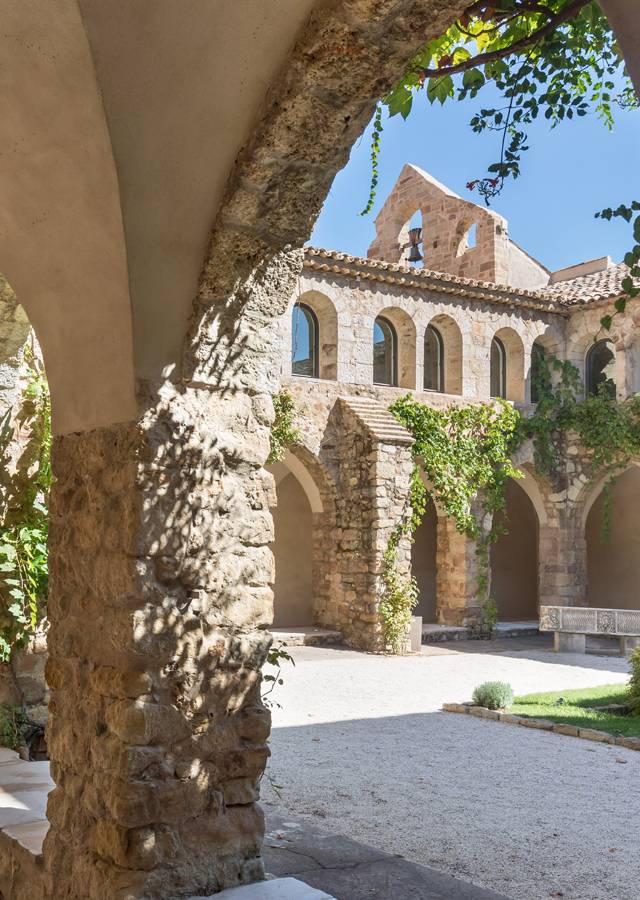
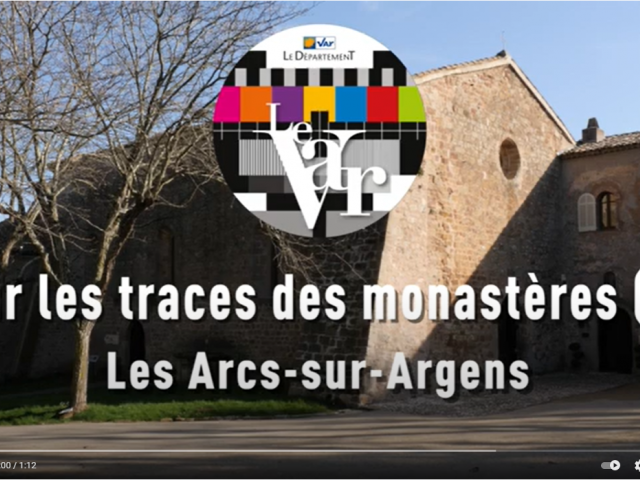
Situated in Les Arcs-sur-Argens, Château Sainte Roseline is one of the region's most-visited locations, in particular thanks to its 11th-century Chapel and 12th-century Cloister, both listed monuments.

Test your knowledge
Visuel Etape 1  b

The story begins in the 11th century...

Sainte Roseline Chapel and Cloister were originally baptized the "Monastère de la Celle-Roubaud", named after a hermit who set up home on the site to enjoy its plentiful water supply.

Built by Benedictine nuns, the 11th century Chapel and 12th-century Cloister both became listed monuments in 1980.

13th to 14th century...

The Monastery was inhabited by Carthusian nuns from the 12th century onwards and directed by Sainte Roseline, the Prioress, from 1300.

Roseline, the eldest daughter of the Lord of Les Arcs, took her vows at a very early age. She reputedly performed many miracles, the most symbolic of which is the "Miracle of the Rose". Legend tells that during a winter famine, Roseline was caught stealing the family supplies to give them to the poor. When she was ordered to show what she was hiding in her apron, an armful of roses fell out...

Visuel Etape 1  d

The Chapel has sheltered the body and relics of Sainte Roseline in a crystal shrine since her death in 1329. Incredibly, the last miracle she accomplished in her lifetime was that her body, still intact today, would remain untouched by the passage of time.

Visuel Etape 1  c
Visuel Etape 1  e
Visuel Etape 1  e3
Visuel Etape 1  e2

20th century...

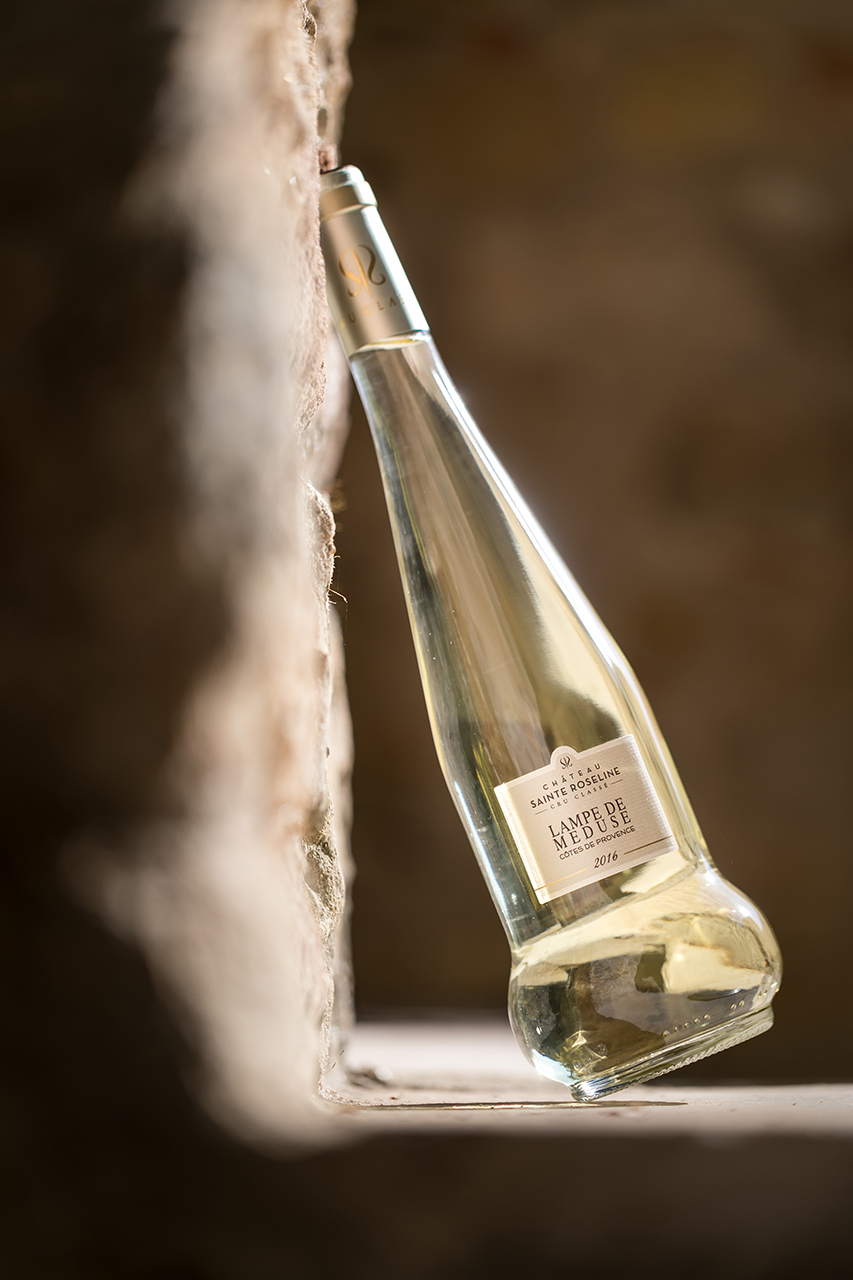
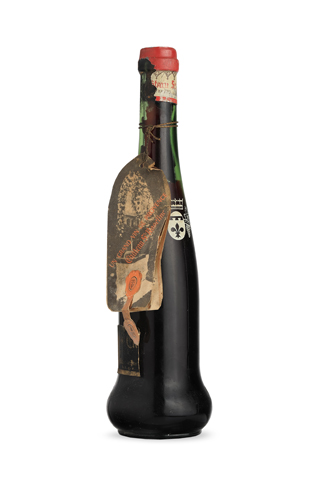
The former owner of the vineyard was Henri Rasque de Laval, who rekindled the Illustrious Order of Knights of Medusa in 1951, a Bacchic order whose aim is to promote the wines of Provence. In 1955, Château Sainte Roseline became Provence's first Premier Cru Classé vineyard.

20th to 21st century...

Monsieur Teillaud purchased Château Sainte Roseline in 1994 and contributed to the international acclaim of its wines thanks to his stringent, quality-focused winemaking methods. He also restored the Cloister, calling on architect Jean-Michel Wilmotte to conserve the site's noble character.

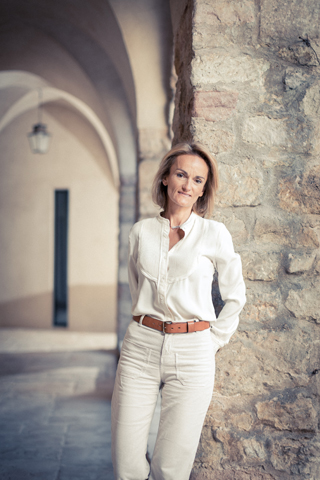
His daughter, Aurélie Bertin, took the helm of the Château in 2007, instilling it with her modern vision focusing on environmental and social commitments while carefully preserving the soul of the Château.